
Why Won’t My Garage Door Close?
If you’re asking why your garage door won’t close, call us if it is stuck open or looks unsafe; otherwise, check the sensors and doorway for an obstruction. Stop if the door is crooked, unusually heavy, or making a loud grinding sound.
Need help now? (706) 740-4855
Why Your Garage Door Won’t Close
A garage door that starts down and then reverses often detects something in its path or has a problem with its safety sensors. If the opener does not respond at all, the remote, wall control, or opener may be the issue. A door that closes unevenly or gets stuck partway can point to a mechanical problem that needs a technician.
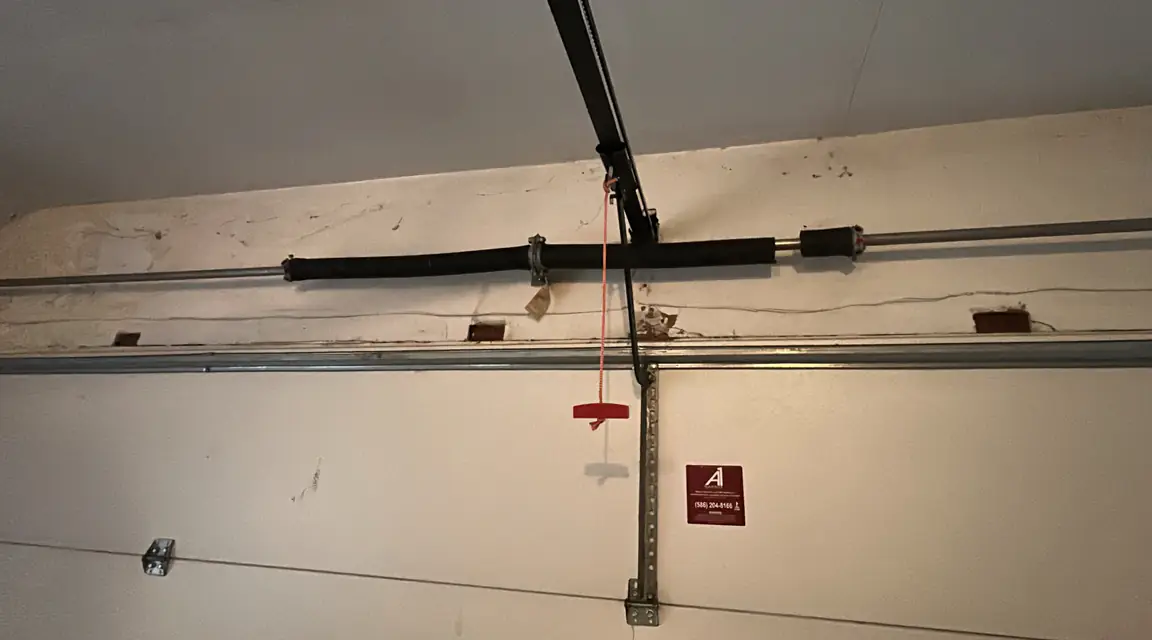
Start with a visual check from a safe position. Keep children and pets away from the doorway, and do not stand beneath a moving door. If the door looks crooked, a cable is loose or hanging, a spring is visibly damaged, or the door makes a sudden loud noise, stop operating it and call for residential garage door repair service.
A working opener does not make a damaged door safe to move. Do not pull on cables, handle springs, or try to force a door shut. Those parts can be under high tension; leave their inspection and repair to a garage door professional.
Safe Checks When Your Garage Door Won’t Close
Try these owner-level checks in order, without removing covers or adjusting springs, cables, or other loaded hardware. If a check reveals damage or the door behaves unpredictably, stop there.
- Move people and objects away — Clear the doorway and the area around the door, including items that may be leaning into its path. From a safe distance, check whether anything is blocking the door’s travel.
- Look along the floor and tracks — Check for a small object, debris, or a buildup of dirt where the door meets the floor and along the visible tracks. Remove only loose items you can reach without touching or shifting the door.
- Check the photo-eye sensors — Look for the small sensors near the bottom of each side of the doorway. See whether an object is blocking either one or whether a sensor appears knocked out of position; do not loosen or dismantle it.
- Clean the sensor lenses gently — If the lenses look dusty, wipe their exposed surfaces with a soft, dry cloth. Then check whether the sensors still face one another and whether the opener responds differently.
- Check the wall control — Make sure the wall control has not been switched to a lock or vacation setting, if your control has one. Check whether the button or display appears damaged, and compare its response with the remote.
- Check the remote — Press the remote from within its normal operating range and note whether its indicator lights. If it has a replaceable battery, check the owner’s manual for the correct replacement and instructions.
- Observe one closing attempt — With everyone clear of the doorway, use the regular wall control and watch the door from a safe position. Note whether it does not move, stops, reverses, or closes only partway; do not repeatedly cycle a door that is stuck or moving unevenly.
- Check the opener’s instructions — If the door and sensors look intact but the opener still will not close the door, consult the opener’s manual for its indicator lights and control settings. LiftMaster support provides manuals and help for LiftMaster openers.
What the Door’s Closing Behavior Can Tell You
Notice what happens during a single normal closing attempt. The behavior can help you decide whether a simple obstruction check is enough or whether to stop and request service.
- The opener lights blink or the door reverses — Check for an obstruction and inspect the sensor area. If cleaning and clearing the path do not help, the sensors or opener controls may need attention.
- The opener runs but the door does not move — Stop rather than forcing the door. A disconnected or damaged door mechanism may be involved, especially if the door is heavy, uneven, or noisy.
- The door stops partway or moves unevenly — Do not keep trying to close it. A track, roller, cable, or spring problem can affect how the door moves and should be assessed by a professional.
- Neither the remote nor wall control works — Check the remote battery and any visible control settings, then consult the opener’s manual. If the controls still do not respond, the opener or its wiring may need service.
Need help now? (706) 740-4855
Choose the Next Step for a Door That Will Not Close
The safest next step depends on what you found. Use this comparison to decide whether to clear a simple blockage, consult the opener instructions, or stop and request repair.
Clear the path and retry once
This fits when the door and hardware look straight and intact, and you can see a loose object blocking the doorway or sensor. Remove the obstruction without reaching under the door, then watch one normal closing attempt from a safe position.
Consult the opener manual
This fits when the door itself appears undamaged but the controls or opener indicators suggest a setting or control issue. Follow the manufacturer’s instructions for your opener; do not bypass safety sensors to make the door close.
Stop and call for repair
This fits when the door is crooked, stuck, unusually heavy, repeatedly reverses, or shows a damaged spring, loose cable, or bent track. Keep the area clear and avoid operating the opener until the door can be checked.
When a Garage Door That Won’t Close Needs Repair
Call for repair when basic checks do not resolve the problem or when you notice damage to a spring, cable, track, roller, or other door part. A door that has come off track or has a loose cable can shift suddenly. Do not try to lift, realign, or secure it yourself.
If the opener is the only part that seems unresponsive, describe what the door does and whether the wall control and remote behave differently. That information can help narrow down whether the issue involves the opener, controls, or door hardware. For help with garage door repair in Augusta, call Augusta Garage Door Service at (706) 740-4855.
We are open 24 hours a day, 7 days a week, and provide free estimates for all types of jobs. You can also contact us to arrange an estimate.
How to Reduce Repeat Closing Problems
Keep the doorway clear and avoid storing items where they can block the sensors or the door’s path. If dust collects on the sensor lenses, clean their exposed surfaces gently. Check the door’s visible movement during normal use, but do not adjust springs, cables, or track hardware yourself.
If the same issue returns, note whether the door reverses, stops, or fails to respond, and whether an indicator light changes. Follow the opener maker’s instructions for interpreting those signs. Clopay’s garage door safety checklist offers additional maker guidance on safe checks.
Need help now? (706) 740-4855
What to Tell Us About a Door That Will Not Close
When you call, describe whether the door starts moving, reverses, stops partway, or does not respond. Mention any visible sensor obstruction or damage, unusual noise, and whether the remote and wall control act differently. Do not operate the door again to gather more details if it is crooked, stuck, or appears damaged.
If the door is open and you cannot secure the garage safely, explain that when you call. We can provide a free estimate after coming out to check the job.
Frequently asked questions
Why does my garage door close partway and then open again?
The opener may be reversing because it detects an obstruction or a problem with the safety sensors. Clear the doorway and check that the sensor lenses are clean and facing each other. If the door still reverses, stop repeated attempts and arrange repair.
Can I close my garage door if one sensor is not working?
Do not bypass or disable a safety sensor to force the door shut. Check for a blockage and gently clean the exposed sensor lenses; if the door still will not close normally, call for service.
Should I use the emergency release when the door will not close?
Do not use the release if the door is crooked, stuck, unusually heavy, or has a visible spring or cable problem. The door can move unexpectedly when disconnected from the opener. If you are unsure whether it is safe, keep clear and call for repair.
When should I call a garage door repair service instead of troubleshooting?
Call when the door is off track, uneven, stuck, or making a loud grinding sound, or when you see a damaged spring or loose cable. Also call if clearing the path and checking the sensors do not restore normal closing. Avoid touching or adjusting parts under tension.
Need Help With a Door That Won’t Close?
Call Augusta Garage Door Service at (706) 740-4855 for a free estimate.